Source 925 Sterling Silver Garnet Ring for Wedding, Gift, Decoration
Explore 30 verified listings of 925 sterling silver garnet ring options. Buyers can compare pricing, customization capabilities, and processing methods to identify the best fit for their specific jewelry sourcing needs; compare the available evidence and request quotations based on your requirements.
Key considerations
Products List


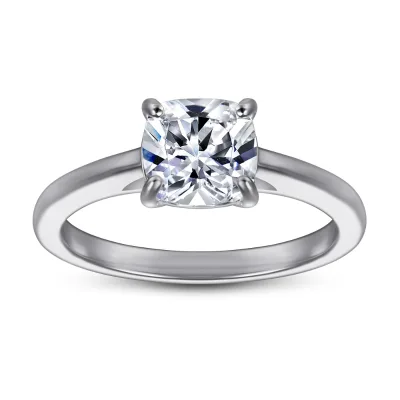


Comprehensive Sourcing Guide
925 Sterling Silver Garnet Ring Sourcing Guide
Sourcing 925 sterling silver garnet rings for retail or wholesale programs requires a disciplined approach that separates verified product attributes from marketing language. This category sits at the intersection of fine jewelry and fashion jewelry: the 925 silver base places it under precious-metal expectations, while garnet-set designs at accessible price points serve gifting, wedding, and decoration use cases. Buyers evaluating listings on B2B platforms will encounter a wide spread of models, from inlaid rings and cocktail rings to prime and simple-style bands, often produced by suppliers offering full customization.
This guide walks through the decisions that matter most when qualifying suppliers in this category: defining your product scope, verifying technical specifications, assembling compliance documentation, understanding cost drivers, qualifying manufacturers, and setting up long-term procurement controls. The observations referenced throughout come from typical product-page data for this category, including 925 sterling silver construction, gem mounting and casting processes, and customization availability. Treat every listed attribute as a claim to be verified through samples, documentation, and factory communication before committing to an order.
Product Scope and Observed Listing Signals
Listings in this category typically present themselves under several ring types — inlaid ring, prime ring, cocktail ring, and general ring classifications — with model numbers such as RS6782, RS0737, RS2947, RS0328, RS1274, RS2183, and numeric marketplace IDs. Declared materials center on 925 sterling silver at 92.5% purity, with cubic zirconia appearing as an accessory material alongside garnet settings. Declared shapes include round, heart, and geometry, and styles range from fashion and simple to unique 3D designs. Observed listed prices span roughly USD 0.52 to 21.50, with MOQs from 1 to 1,000 pieces, reflecting a mix of stock, small-batch, and made-to-order offerings.
The intended audience also varies across listings: some declare suitability for female wearers only, while others state female, male, universal, or even children suitability. Usage claims include wedding, decoration, gift, and collection. Guangzhou, China appears as a declared origin, and packaging is typically an individual OPP bag plus carton or a customized package. When scoping your assortment, map these declared attributes against your target customer: a bridal-focused retailer will prioritize heart and round inlaid designs, while a fashion-accessory buyer may favor cocktail and geometric statement pieces. Note that children's suitability triggers additional regulatory scrutiny, covered later in this guide.
Technical Specifications to Verify
Begin with material verification, since 925 sterling silver declarations are the single most important technical claim in this category. Request written confirmation of the 92.5% silver content and ask how the supplier documents it — through assay testing, XRF screening reports, or mill certificates. Distinguish between solid 925 silver construction and silver-plated base metals such as copper, which also appears in category listings; the fabrication process declared (casting, hand-making, gem mounting, electroplating, or polishing) offers clues about construction. Confirm whether electroplating applies and, if so, what plating metal and thickness are used, since plating affects tarnish resistance and wear life.
Next, verify gemstone and dimensional details. Ask for the garnet specification: natural versus lab-created origin, cut quality, carat weight or stone dimensions, and setting method (prong, bezel, or channel). Confirm that ring sizes are available customized, as some listings declare, and request a size chart matching your target market's sizing standard. For designs advertised with cubic zirconia accents or unique 3D designs, request physical samples to assess stone security, symmetry, and finish quality. Check weight tolerance per size, because silver cost is weight-driven and inconsistent weights distort both your landed cost and customer expectations.
Compliance and Safety Documentation
Precious-metal content claims carry legal weight in most retail markets. Ask whether the supplier can support 925 hallmarks or stamps with independent assay documentation, and clarify which mark will appear on the product — a 925, S925, or sterling stamp — and whether your market requires additional hallmarks from an accredited assay office. If products will be sold in the EU or UK, discuss Hallmarking Act obligations with your compliance team; in the US, FTC Jewelry Guides govern silver-content representations. Do not accept a supplier's hallmark image alone as proof of compliance.
Nickel release and heavy-metal limits are the next documentation priority, especially for items declared suitable for children. Request REACH nickel-release test reports for items contacting skin, and ask about lead and cadmium screening consistent with your destination market's requirements — for example, CPSIA considerations for children's jewelry in the US. For plated items, ask whether the plating layer complies with applicable nickel-release thresholds. Finally, review the declared packaging (OPP bag plus carton) against any packaging-material regulations in your market, and confirm shipping documents such as packing lists and material declarations accompany each shipment for customs and retailer onboarding.
Cost Drivers and Commercial Terms
Silver content and gemstone specification dominate unit cost in this category. Silver is priced on a fluctuating commodity market, so ask how quotations handle metal-price movement — whether prices are fixed for a quote validity window or adjusted against a published silver index at order confirmation. Stone costs vary sharply between natural and lab-created garnet, and between calibrated sizes and free sizes. Plating, hand-finishing, and unique 3D design work add labor cost; cast-and-polish production is generally more economical. Use the observed listing spread (roughly USD 0.52 to 21.50) as context, but treat any listing price as an unverified starting point pending your own specification.
Commercial terms to clarify include MOQ structure, since observed MOQs range from 1 to 1,000 pieces and per-unit pricing usually improves at volume; customization fees for bespoke designs, sizes, or packaging; and sample costs. Observed category norms include delivery within 30–35 days after deposit receipt and sample lead times within 15 working days — confirm these against your launch calendar and ask whether they exclude peak-season congestion. Payment terms commonly cited include T/T, PayPal, Western Union, and Money Gram; agree on a deposit percentage and balance trigger that balances cash-flow risk, and confirm incoterms and shipping options (UPS, DHL, FedEx, TNT, EMS, or professional line services).
Supplier Qualification and Quality Control
Qualify suppliers by auditing their declared capabilities against evidence. Listings declaring OEM and ODM service, custom design manufacture, and available customization should be asked for portfolio examples, design-file handling processes, and tooling or mold fees for bespoke models. Verify whether the declared origin (China, with Guangzhou cited in some listings) corresponds to an actual production facility or a trading company, since this affects communication depth, QC access, and pricing. Request business licenses and, where relevant, any factory audits or third-party inspection history. A short video call walkthrough of the workshop — casting, setting, and polishing stations — is a low-cost qualification step.
Structure quality control around pre-shipment inspection and in-process checkpoints. Define an AQL sampling plan appropriate to your order size, and specify critical defects (missing or loose stones, incorrect silver stamp, plating defects, dimensional out-of-tolerance) versus major and minor ones. For customized orders, approve a golden sample before mass production and hold the supplier to it. Use third-party inspection services for initial orders if you cannot visit the factory. Confirm packaging in practice: individual OPP bags plus carton, or your customized package, with adequate separation to prevent scratching during transit — a common failure mode for silver jewelry shipments.
Long-Term Procurement Checks
Build long-term supply stability by tracking material-cost exposure and supplier performance over time. Establish a quarterly review covering on-time delivery against the 30–35 day norm, defect rates from inspections, and responsiveness on reorders. Because silver prices move, negotiate a transparent pricing mechanism for repeat orders rather than renegotiating each time. If you rely on customized or 3D-designed models, secure your design ownership in writing — confirm whether tooling, molds, and design files remain your property and whether the supplier agrees to exclusivity for your models. Register or protect key designs in your sales markets where feasible.
Deepen the relationship gradually: consolidate volume with a qualified primary supplier while maintaining a vetted backup for critical bestsellers. Re-verify material compliance periodically, since plating baths, stone sources, and component suppliers can change without notice — an annual re-test of random production samples is a reasonable cadence. Monitor customer return data for signals such as stone loss, tarnish complaints, or size inconsistencies, and feed these back into supplier scorecards and corrective-action requests. Finally, keep documentation current: updated assay reports, compliance declarations, and packing specifications should be refreshed with each major production run so that any retailer audit or customs query can be answered from your records.
FAQs
What is the standard purity for 925 sterling silver rings?
The standard purity is 92.5% silver content, which is the defining characteristic of sterling silver. This specific alloy composition ensures the metal has sufficient durability for daily wear while maintaining the bright, white appearance associated with high-quality jewelry. Buyers should verify this percentage on product specifications to ensure authenticity.
Can suppliers customize the size and design of the ring?
Yes, suppliers typically offer customized sizes and unique 3D designs for these rings. Many manufacturers support OEM and ODM services, allowing buyers to request specific dimensions or bespoke aesthetic elements. Customization options often include specific packaging solutions like OPP bags or cartons to meet individual brand requirements and presentation standards.
What is the typical lead time for sample production?
Sample production usually takes within 15 working days after the order is confirmed. This timeframe allows the manufacturer to create a physical prototype for quality inspection and design approval. Once the sample is accepted, the bulk production lead time is generally within 30 to 35 days after receiving the deposit.
Which payment methods are accepted for bulk orders?
Commonly accepted payment methods include T/T, Western Union, PayPal, and MoneyGram. These options provide flexibility for international buyers to settle transactions securely. Specific terms may vary by supplier, so it is advisable to confirm the preferred method and any associated fees before initiating the payment process.
What packaging options are available for these rings?
Standard packaging includes individual OPP bags placed in cartons, which is suitable for general distribution. Suppliers also offer customized packaging solutions to align with specific brand identities or retail requirements. Buyers can request specific box designs or labeling to ensure the product presentation meets their market standards and logistical needs.
How is the ring fabricated and finished?
The rings are typically fabricated using casting or hand-made processes, followed by gem mounting for the garnet stones. The final finishing stage involves polishing to achieve a smooth, reflective surface. Some products may also undergo electroplating to enhance the silver color and improve resistance to tarnish over time.
What are the primary usage scenarios for this ring?
These rings are primarily used for weddings, general decoration, and as gifts. They are designed to appeal to a broad audience, including women, men, and children, depending on the specific style. The fashion-oriented design makes them suitable for both special occasions and everyday wear, serving as versatile accessories for various personal styles.